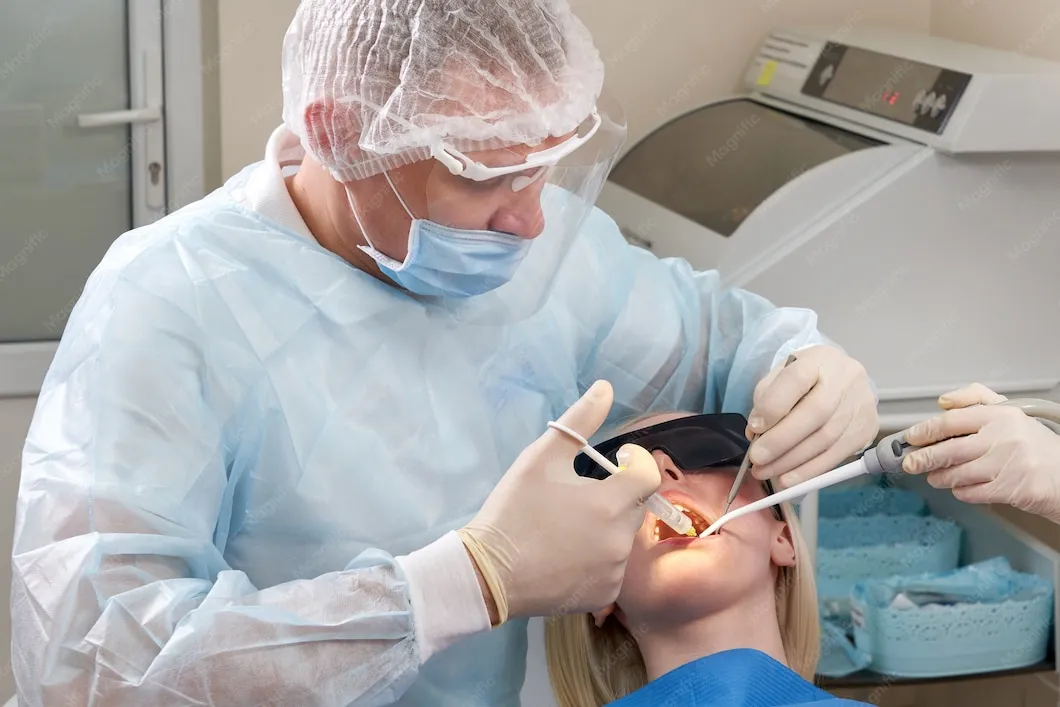
A tooth that continues to ache after a root canal deserves attention, but discomfort does not automatically mean the treatment failed. A missed canal, new decay, a crack, or persistent inflammation near the root may be responsible. Two possible options are root canal retreatment and an apicoectomy, and each addresses the problem differently.
If you are considering apicoectomy treatment in Weston, understanding how these procedures work can help you prepare for a discussion with your dental specialist. This guide explains when each approach may be appropriate, what can affect the cost, and what recovery involves. An examination and dental imaging are needed to determine the most suitable option.
How Do the Treatments Differ?
Root canal retreatment involves reopening a previously treated tooth, removing the existing canal filling, and cleaning and sealing the canals again. An apicoectomy is a minor surgical procedure that removes the root tip and affected tissue through the gum. A small filling may be placed at the root end to seal it.
Choosing apicoectomy vs root canal retreatment for persistent tooth infection depends on the location of the problem, the tooth’s structure, and whether the canals can be treated again.
When Might Each Option Be Appropriate?
Retreatment costs depend on the tooth, canal complexity, and any crown or filling work required. Apicoectomy fees vary with the surgical complexity, imaging, and follow-up care. Book your appointment to discuss your treatment options and request an individualized estimate before proceeding.
A dentist in Weston can assess the tooth, review X-rays, and look for cracks or significant structural damage. If the tooth cannot be restored reliably, other options may need consideration.
Looking for expert apicoectomy treatment in Weston? Get directions to Dental Specialists of Weston to discuss your treatment options and plan your next steps
What About Cost and Recovery?
Retreatment costs depend on the tooth, canal complexity, and any crown or filling work required. Apicoectomy fees vary with the surgical complexity, imaging, and follow-up care. Request an individualized estimate before proceeding.
After an apicoectomy, mild swelling, tenderness, or bruising may occur. Follow the aftercare instructions and seek advice if pain or swelling worsens, fever develops, or bleeding persists. When comparing apicoectomy treatment near you, ask about expected healing, follow-up visits, and whether additional restoration is needed. A dental office near you can explain the proposed fees and treatment plan.
Discuss Your Options With Confidence
Contact Dental Specialists of Weston to arrange an evaluation and discuss the next steps for your tooth.
FAQs
What is the difference between an apicoectomy and root canal retreatment?
Retreatment accesses the tooth through its crown to clean and reseal the root canals. An apicoectomy approaches the root tip through the gum, removes the tip and affected tissue, and seals the root end. The choice depends on the source of infection and the tooth’s condition.
When is an apicoectomy recommended instead of root canal retreatment?
It may be considered when infection or inflammation persists near the root tip and retreatment is difficult or unlikely to succeed. A specialist will assess dental images, existing restorations, and possible cracks before recommending surgery. An apicoectomy is not suitable for every previously treated tooth.
How much does apicoectomy treatment in Weston cost?
Costs vary according to the tooth’s location, surgical complexity, imaging, and any restoration needed afterward. Insurance coverage also differs by plan. Ask for a written estimate that separates the procedure, follow-up care, and additional treatment so you can understand the likely overall expense.
How long does it take to recover from an apicoectomy?
Tenderness and swelling often improve over several days, although healing varies. Gum tissue generally heals sooner than the bone around the root, which can take months to repair. Follow instructions for eating, cleaning the area, and attending follow-up visits. Contact your clinician if symptoms worsen instead of improving.