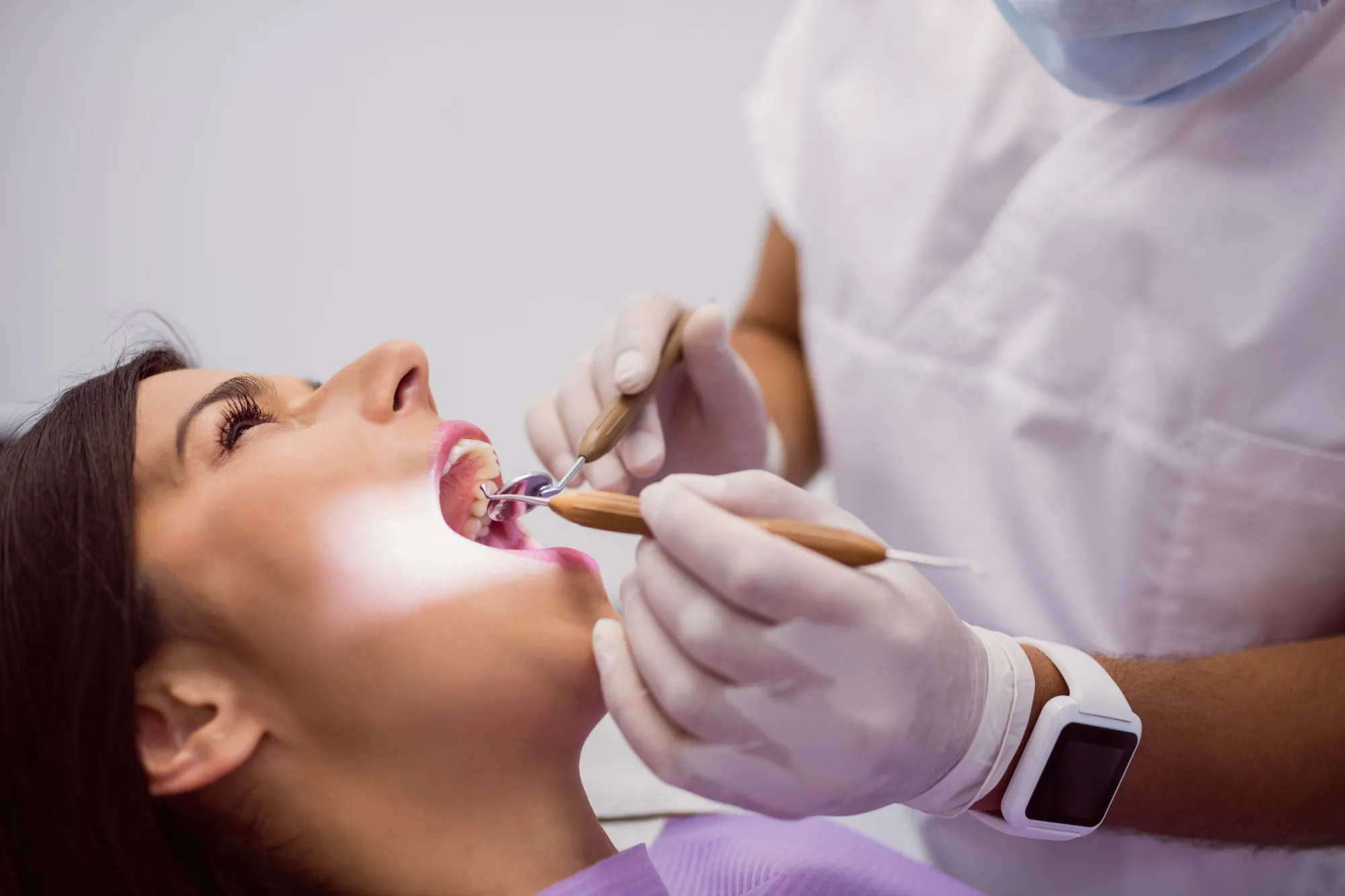
What are the best treatment options for gum disease? Gum disease can vary from mild irritation to serious periodontal issues that threaten tooth stability and overall oral health. Two common ways to treat it are a gingivectomy in Pembroke Pines and scaling and root planing. Knowing how these treatments differ helps both patients and dentists decide which approach will be most effective for each case.
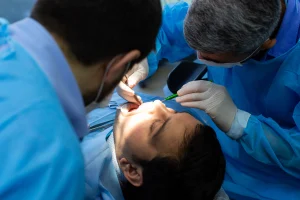
A gingivectomy is a surgical procedure that removes excess gum tissue. It is often recommended when pockets between teeth and gums are deep, making it difficult to clean and increasing the risk of infection. Proper evaluation by a dental professional ensures this surgery is only used when necessary.
What is Scaling and Root Planing?
Scaling and root planing is a non-surgical treatment that cleans the teeth and gum pockets to remove plaque, tartar, and bacteria. It is often the first line of defense against gum disease. Key benefits include:
- Reduces gum inflammation and swelling
- Helps prevent further bone or tissue loss
- Creates a cleaner surface for gums to reattach to teeth
When performed early, scaling & root planing in Pembroke Pines can effectively control gum disease without surgery, preserving natural gum tissue and promoting healing.
What is a Gingivectomy?
A gingivectomy in Pembroke Pines is a small surgery to remove extra or damaged gum tissue around your teeth. This treatment is helpful for:
- Deep gum pockets that don’t get better with regular cleaning
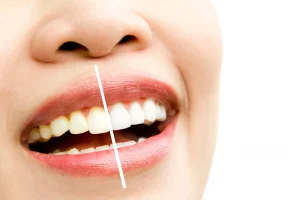
- Uneven gum lines that affect how your smile looks
- Spots where bacteria keep growing, even with good dental care
The goal of gingivectomy near you is to restore gum health, reduce infection risk, and improve access for home care.
Comparing Non-Surgical vs Surgical Gum Disease Treatments
Patients often wonder about non-surgical vs surgical gum disease treatment options for advanced periodontal cases. Here’s how the two compare:
| Feature | Scaling & Root Planing | Gingivectomy |
| Procedure Type | Non-surgical | Surgical |
| Recovery Time | 1–2 days mild soreness | 1–2 weeks for full healing |
| Ideal For | Early to moderate gum disease | Deep pockets or persistent infection |
| Tissue Removal | None | Excess or diseased gum tissue |
| Effectiveness | Reduces bacteria and inflammation | Improves gum access and removes infected tissue |
Understanding these differences helps patients and dentists choose a treatment plan suited to the severity of gum disease and oral health goals.
When is Gingivectomy Preferred?
Usually, a gingivectomy is recommended when.
- The depth of the gum pockets is extremely deep and cannot be cleaned effectively.
- Your gums are growing over your teeth. This is creating areas where plaque can build up.
- Infection not fully resolved with non-surgical treatments.
- Uneven gum lines and other cosmetic problems impact your smile.
Patients experiencing constant inflammation, bleeding, or pain despite regular cleaning may be a candidate for this.
Recovery and Comfort
Many people wonder, “Does gingivectomy hurt, and how long does it take to recover?” Most feel only a little pain or swelling for a few days. To recover well:
- Follow the dentist’s instructions for cleaning your mouth.
- Use pain medicine or mouth rinses as recommended.
- Eat soft foods for the first few days.
- Go to follow-up visits at a dental office near you.
Taking care this way helps your gums heal smoothly and stay healthy.
Effectiveness of Scaling and Root Planing
Scaling and root planing can treat early or moderate gum disease, but severe cases may need surgery. How well it works depends on how deep the gum pockets are and if there is bone loss.
- Early gum disease: Very effective at removing bacteria and stopping it from getting worse
- Moderate gum disease: Might need extra treatments, like antibiotics applied to the gums
- Advanced gum disease: Usually needs surgery along with cleaning to keep gums healthy long-term
Regular dental visits help keep track of your gums and see if more treatment is needed.
How to Know if Surgery is Needed
It can be hard to know when to switch from regular gum care to surgery. Asking, “Do I need gum surgery instead of regular cleaning?” can help. One sign is:
- Gums keep bleeding or stay swollen even with regular care.
- Deep gum pockets that are hard to clean at home
- Gums that are too low or too high make it hard to keep teeth clean.
- Bad breath that doesn’t go away because of bacteria
Seeing a dentist in Pembroke Pines helps you get a proper check-up and choose the best treatment for your gums.
Invest in a Confident, Healthy Smile!
Gum disease is evaluated for either non-surgical or surgical treatment options. Gingivectomy Pembroke Pines is used in deeper gum pockets and persistent infection. In contrast, scaling and root planing can help in early or moderate cases.
Let Dental Specialists of Pembroke Pines help you to treat your dental problems expertly with a custom-made treatment plan. Don’t wait, book your appointment now, so that you can find the most efficient solution for your gum health and sustain a healthy smile.
😁 Healthy, confident smiles start here – find your way to Dental Specialists of Pembroke Pines.
FAQs
- When is a gingivectomy preferred over scaling and root planing?
Gingivectomy is indicated whenever the gum pockets are too deep for cleaning, and non-surgical options have failed to control infection.
- Is gingivectomy painful, and what is the recovery time?
Typically, there is mild discomfort for a few days. With appropriate care, complete healing often takes 1 to 2 weeks.
- Can scaling and root planing fully treat advanced gum disease?
It can control early or moderate gum disease, but advanced cases often require surgical procedures for long-term health.
- How do I know if I need surgical gum treatment instead of non-surgical care?
Signs include persistent bleeding, deep gum pockets, overgrown or receding gums, and ongoing bacterial buildup despite regular cleaning.